A Ball of Fiber That Changed History — and Disappeared for 100 Years
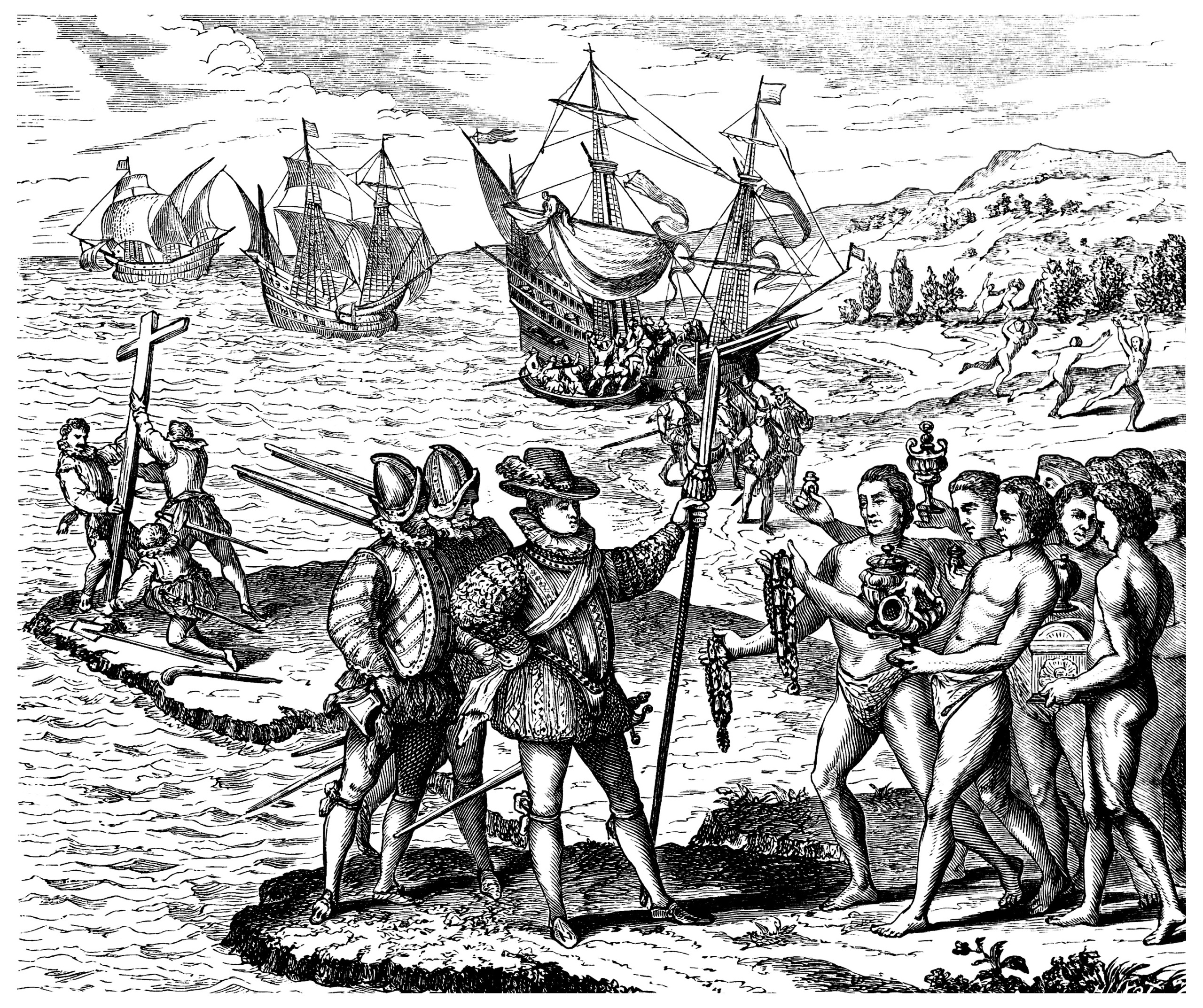
On October 12, 1492, Christopher Columbus made landfall in the Caribbean.
Among the gifts the indigenous people offered him was something he hadn’t expected: balls of cotton.
He recorded it. He brought samples back to Europe. He had no way of knowing that the plant those threads came from — Gossypium barbadense, a variety with fiber unlike anything the Old World had ever touched — would one day be called the finest cotton on Earth.
That variety didn’t begin in the Caribbean.
It had been cultivated along the Peru–Ecuador border for roughly 5,500 years before Columbus arrived. At some point in the deep past, it crossed the water. The Caribbean islands gave it new soil, new light, new wind. It changed. The fiber grew longer, finer, stronger.
When it reached the coast of what is now the American Southeast in the late 18th century, planters on the coastal islands of Georgia and South Carolina — the Sea Islands — recognized something extraordinary. The name stuck. By 1788, it was being exported to Britain, where it caused something close to a sensation in the mills of the Industrial Revolution.
For over a century, Sea Island Cotton was the standard against which all other cotton was measured.
Then, in 1918, it was gone.
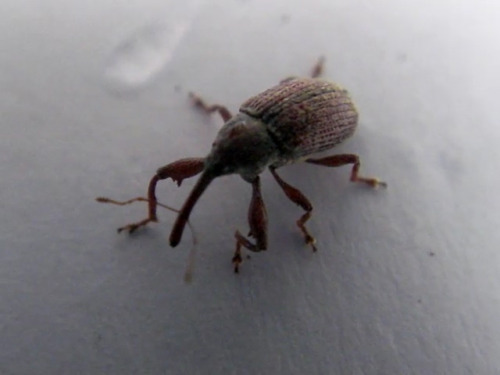
The boll weevil — a small beetle, an unstoppable pest — swept through the region and destroyed the crop. The economics of rebuilding never quite worked out. Farmers moved on. The knowledge faded. American Sea Island Cotton ceased to exist.
Nearly 100 years passed.
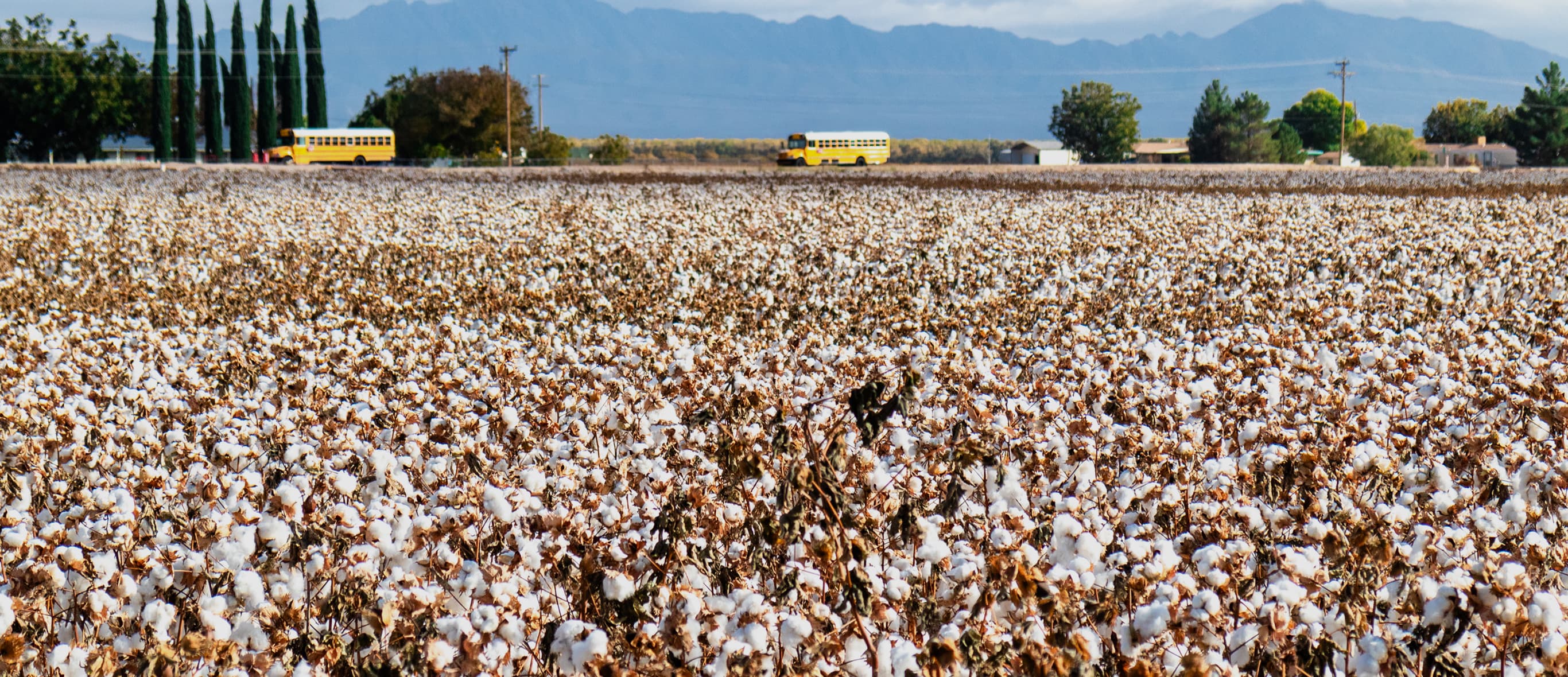
In 2016, after years of seed research with a local university in the American Southwest, it came back — planted in a high desert valley on the Texas–New Mexico border, in soil the variety had never touched before.
The Caribbean never stopped.
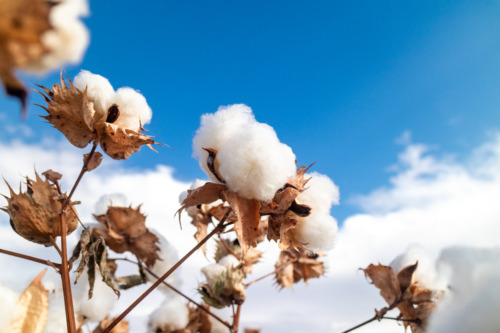
Through plantation eras, colonial transitions, hurricanes, and labor shortages, the Caribbeans kept growing it — by hand, one boll at a time, at yields that make commercial logic difficult and human dedication essential. Of the six Caribbean islands that once cultivated it, Jamaica now stands alone.
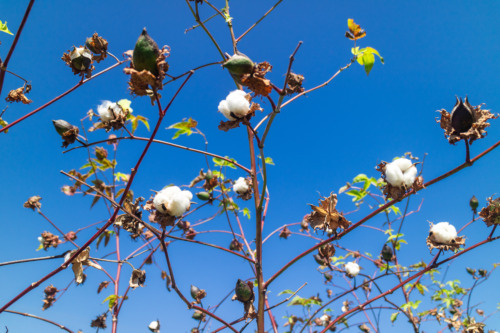
Two survivors of a very long story. Two expressions of the same ancient variety. Both available as yarn, today, with full traceability from field to store.
I find it worth pausing on the fact that Columbus’s 1492 journal entry and our current inventory are connected by an unbroken biological lineage.
Some materials carry history in a way that others simply don’t.
This is the first of an ongoing series in which we’ll be exploring the story, cultivation, and unique qualities of Sea Island Cotton — one of the world’s rarest and finest fibers.